

Polyether Polyol for Slow Recovery Foam: Trusted China Supplier Insights
As a trusted supplier of Polyether Polyol for Slow Recovery Foam, I understand the unique needs of manufacturers in the foam industry. Our high-quality polyether polyol is specifically formulated to provide exceptional flexibility and comfort, making it ideal for mattresses, cushions, and other applications requiring slow recovery properties. Sourced directly from China, our products undergo rigorous quality control to ensure consistency and performance. I’m passionate about helping businesses like yours create superior foam products that meet consumer demands. By choosing our Polyether Polyol, you can enhance your offerings and stay competitive in the market. When you partner with us, you gain access to knowledgeable support and competitive pricing. I believe that quality materials and reliable supply are key to your success. Let me help you elevate your foam products—contact us today to discuss how our Polyether Polyol can benefit your production process.


Polyether Polyol For Slow Recovery Foam in 2025 Industry Giant
The polyether polyol market is poised for significant growth in 2025, driven by the increasing demand for slow recovery foam across various industries. As manufacturers explore innovative raw materials to enhance foam properties, polyether polyols emerge as a crucial component. Known for their superior flexibility and resilience, these polyols contribute to the enhanced comfort and durability of slow recovery foam, making them ideal for applications in bedding, automotive seating, and cushioning products. Global buyers are increasingly seeking reliable suppliers of polyether polyols to meet the evolving needs of their end markets. The surge in consumer preference for high-performance, lightweight materials creates opportunities for companies to invest in advanced formulations that cater to these demands. By leveraging cutting-edge technology and sustainable production processes, businesses can ensure that they not only produce high-quality foam but also address environmental concerns, setting themselves apart in a competitive landscape. In this dynamic environment, collaboration between suppliers and manufacturers will be vital. Establishing long-term partnerships can lead to innovative solutions that enhance product performance while also optimizing costs. As we look towards 2025, the emphasis will be on not just meeting current market requirements but also anticipating future trends, ensuring that the polyether polyol supply chain remains robust, agile, and responsive to the needs of global purchasers.
Polyether Polyol For Slow Recovery Foam in 2025 Industry Giant
| Region | Production Capacity (Metric Tons) | Application Type | Growth Rate (%) | Main Drivers |
|---|---|---|---|---|
| North America | 150,000 | Mattresses | 5.2 | Rising consumer preference for comfort |
| Europe | 120,000 | Furniture | 4.8 | Sustainability trends in manufacturing |
| Asia-Pacific | 200,000 | Car Interiors | 6.5 | Growth in automotive industry |
| Latin America | 80,000 | Construction | 3.1 | Increasing demand for construction materials |
| Middle East & Africa | 50,000 | Packaging | 2.9 | Growth in food and beverage industry |
Related Products
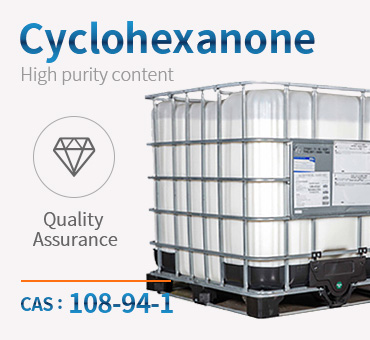

Polyether Polyol For Slow Recovery Foam Industry Giant Now Trending
Top Selling Products
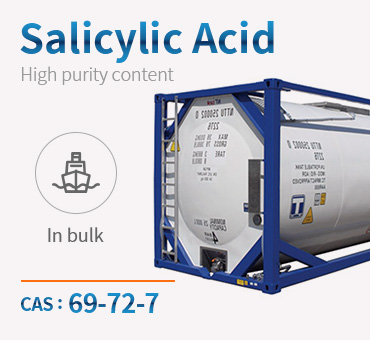

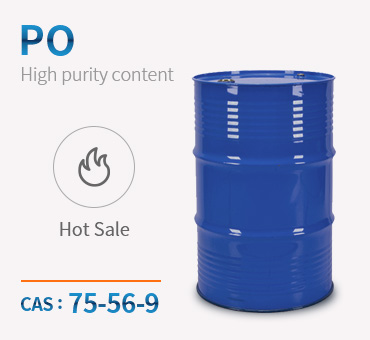
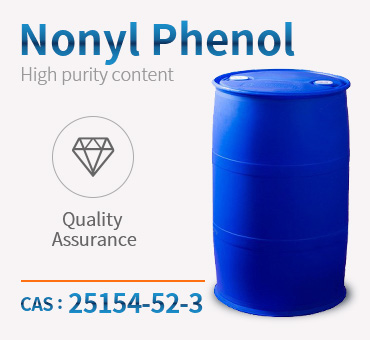
- Related Blog
- Reviews

-

Phone
-

E-mail
-

Whatsapp
-

Top


