

Phenolic Resin Vs Epoxy Resin: Top Suppliers in China for Your Needs
When it comes to selecting the right resin for your projects, I often find myself comparing phenolic resin vs epoxy resin. Each type has its unique advantages, depending on your application needs. Phenolic resin is known for its high heat resistance and excellent dimensional stability, making it a top choice for applications requiring durability. On the other hand, epoxy resin offers superior adhesion and chemical resistance, particularly suited for bonding in various industries. As a supplier from China, I understand the importance of sourcing high-quality materials at competitive prices. My focus is on providing you with reliable options, whether you need phenolic or epoxy resin. You can trust that our products are crafted to meet rigorous standards, ensuring your production runs smoothly. Let’s connect to explore how these resins can best serve your business needs and get the right fit for your projects.
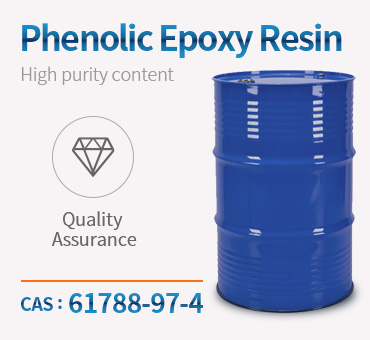
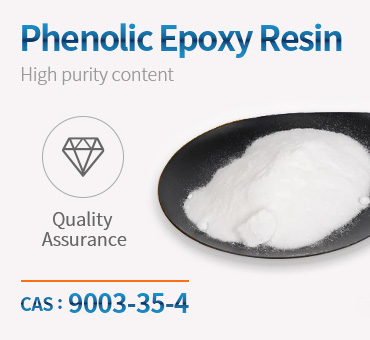

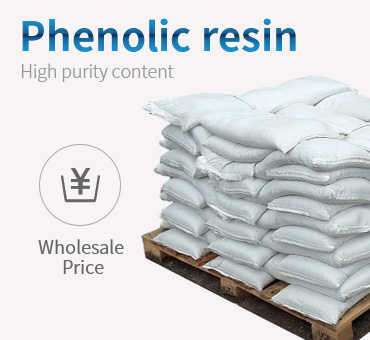
Phenolic Resin Vs Epoxy Resin Sets the Industry Standard Your End-to-End Solution
In the world of industrial applications, selecting the right resin can significantly impact product performance and longevity. Phenolic resin and epoxy resin are two prominent choices, each setting its own standard in various markets. Phenolic resin boasts exceptional heat resistance and mechanical strength, making it ideal for applications involving high temperatures and harsh chemicals. Its durability and fire-retardant properties make it a top choice for the automotive and aerospace industries. On the other hand, epoxy resin excels in adhesion, flexibility, and corrosion resistance, making it suitable for electronics, marine, and construction applications. Choosing between these two resins ultimately depends on your specific needs. Understanding their unique properties helps global purchasers align their projects with the right materials, optimizing performance while minimizing costs. By considering factors such as curing times, environmental conditions, and desired outcomes, businesses can effectively harness the strengths of either resin to achieve their goals. Ultimately, whether opting for phenolic or epoxy resin, it is crucial to ensure a reliable supply chain. Working with experienced suppliers and manufacturers can provide the necessary support, from product selection to logistics. By investing in the right materials and partnerships, companies can set themselves up for long-term success in their respective industries.
Phenolic Resin Vs Epoxy Resin Sets the Industry Standard Your End-to-End Solution
| Property | Phenolic Resin | Epoxy Resin |
|---|---|---|
| Thermal Resistance | High (up to 220°C) | Moderate (up to 150°C) |
| Chemical Resistance | Excellent | Good |
| Flexural Strength | High | Very High |
| Cure Time | Longer | Shorter |
| Applications | Electrical components, laminates | Coatings, adhesives, composites |
| Environmental Impact | Considered higher | Lower with advancements |
Related Products



Phenolic Resin Vs Epoxy Resin Industry Leaders Service Backed by Expertise
Top Selling Products



- Related Blog
- Reviews

-

Phone
-

E-mail
-

Whatsapp
-

Top


