

Poly Methyl Methacrylate Uses: Top China Supplier Insights & Applications
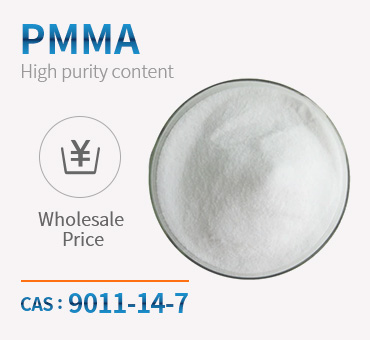
Poly Methyl Methacrylate (PMMA) is an amazing material that I find really useful in various industries. Whether it’s in the construction of aquariums, signs, or even in medical devices, its versatility cannot be overstated. As a reliable supplier from China, I pride myself on providing high-quality PMMA that meets the diverse needs of my clients. My product’s excellent clarity and UV resistance make it a top choice for those who want durability combined with aesthetic appeal. I’ve seen firsthand how PMMA can transform projects, whether for small businesses or large corporations. It’s lightweight, shatter-resistant, and easy to fabricate, which makes it perfect for a wide range of applications. If you’re in the market for PMMA, working with me means getting a product that not only meets but often exceeds your expectations. Let me help you source the best PMMA and elevate your projects to the next level!


Poly Methyl Methacrylate Uses Manufacturer For the Current Year
Poly Methyl Methacrylate (PMMA), commonly known as acrylic, has emerged as a pivotal material in various industries due to its versatility, clarity, and durability. As we navigate through this year, manufacturers are leveraging the unique properties of PMMA to meet evolving market demands across sectors such as automotive, construction, healthcare, and electronics. Its lightweight nature and excellent weather resistance make it a preferred choice for outdoor applications and displays, facilitating innovative designs that can withstand the rigors of daily use. In the automotive industry, PMMA is increasingly utilized for LED lighting covers, instrument panels, and window components, owing to its superior optical clarity and impact resistance. For the healthcare sector, its biocompatibility makes it suitable for a range of medical devices and applications, ensuring patient safety without compromising performance. Meanwhile, in construction, PMMA is used for glazing and signage, providing architects and builders with a durable and aesthetically pleasing material option. As global procurement trends shift towards sustainable and efficient materials, the demand for high-quality PMMA continues to grow. Manufacturers are positioned to respond to this trend by optimizing production processes and ensuring adherence to international quality standards. Whether you are looking for solutions for automotive components, medical devices, or architectural designs, understanding the current applications and benefits of PMMA can enhance your procurement strategies and drive innovation in your projects.
Poly Methyl Methacrylate Uses Manufacturer For the Current Year
| Application Area | Description | Industry | Key Properties |
|---|---|---|---|
| Optical Devices | Used in lenses and other optical components due to its clarity and UV stability. | Electronics | High transparency, low weight |
| Automotive | Primarily used for interior components and displays. | Automotive | Impact resistance, excellent surface finish |
| Medical Devices | Applied in various medical applications such as dental devices and surgical instruments. | Healthcare | Biocompatibility, sterilization capabilities |
| Signage | Used for illuminated signs and displays due to its light diffusion characteristics. | Advertising | Color stability, weather resistance |
| Construction | Utilized in windows and skylights for its light transmission properties. | Construction | Thermal insulation, shatter resistance |
Related Products


Poly Methyl Methacrylate Uses Manufacturer Service
Top Selling Products



- Related Blog
- Reviews

-

Phone
-

E-mail
-

Whatsapp
-

Top


