
Phenol, a vital chemical raw material, is extensively applied in resins, plastics, pharmaceuticals, dyes, and other domains. However, its toxicity and flammability render phenol production fraught with significant safety risks, underscoring the criticality of safety precautions and risk control measures.
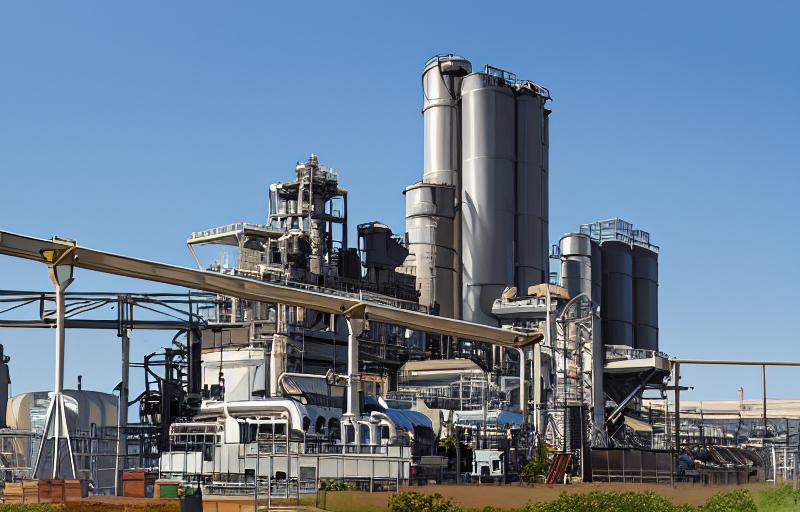
Production Process Risks and Associated Hazards
Phenol, a colorless or slightly yellow crystal with a potent pungent odor, is toxic at room temperature, capable of harming the human body via skin contact, inhalation, or ingestion. Its strong corrosiveness can cause burns to human tissue, and it may trigger fires or explosions when reacting with other chemicals. The phenol production process typically entails high temperatures, high pressures, and intricate chemical reactions, escalating the danger level. Catalysts and solvents commonly used in production are often flammable or explosive, and improper handling can lead to accidents. Moreover, the by-products and exhaust gases generated during the reaction demand proper treatment to safeguard the environment and human health, while regular inspection and maintenance of production equipment and pipelines are essential to prevent leaks or pressure failures.
Storage, Transportation, and Employee Health Considerations
The storage and transportation of phenol carry numerous safety risks. Given its toxicity and corrosiveness, phenol should be stored in cool, well-ventilated areas using specialized leak-proof containers, with regular checks on storage containers to ensure integrity. During transportation, strict adherence to hazardous goods regulations is required, avoiding violent shaking and high-temperature environments. Transport vehicles and equipment must be equipped with appropriate safety facilities like fire extinguishers and protective gear for emergency response. Additionally, phenol production poses potential threats to employee health, as employees may inhale phenol vapors or come into contact with phenol solutions, leading to respiratory irritation, skin burns, and even chronic health issues such as nervous system damage and liver and kidney dysfunction with long-term exposure. Hence, companies should provide employees with comprehensive personal protective equipment, including corrosion-resistant gloves, protective clothing, and masks, and conduct regular health checks and safety training.
Comprehensive Risk Control Measures
To effectively manage safety risks in phenol production, companies should implement a series of measures. This includes optimizing production processes to minimize the use of hazardous materials, adopting advanced monitoring and alarm systems for prompt detection and handling of anomalies, strengthening equipment maintenance to ensure the safe operation of pressure vessels and pipelines, establishing a comprehensive safety management system with clearly defined safety responsibilities for each position, and regularly conducting safety drills and hazard inspections to maintain controllable production safety.
Post time: May-29-2025


