

Top China Supplier for Cas 75-09-2: Quality and Reliability
Are you in need of a reliable source for Cas 75-09-2? As a dedicated supplier based in China, we understand the importance of quality and consistency in the chemicals you require. Our commitment to excellence ensures that we provide only the finest products, meeting international standards and regulations. We pride ourselves on building strong relationships with our clients, making sure their specific needs are always met. Our team is here to assist you with any inquiries and to ensure a seamless purchasing experience. When you choose us as your supplier, you’re not just getting a product—you’re gaining a committed partner who values your business. Whether you’re in the pharmaceutical, agricultural, or manufacturing sector, Cas 75-09-2 can enhance your production processes. Let’s work together to meet your supply needs efficiently and effectively. Reach out today, and let’s discuss how we can support your goals!
Cas 75-09-2 Application Service
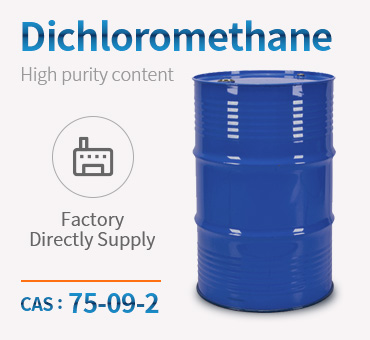
The chemical compound with CAS number 75-09-2, known as dichloromethane or methylene chloride, has established its significance across various industries due to its versatile applications. In the world of manufacturing, it serves as a vital solvent for paint removers, degreasers, and adhesives, making it an essential component in processes ranging from surface preparation to final coating applications. Its efficacy in effectively dissolving organic compounds and its relatively low boiling point make it a preferred choice for many industrial applications. For global buyers looking to source high-quality dichloromethane, understanding its properties and applications is crucial. This compound offers favorable characteristics such as high volatility and low toxicity compared to other solvents, which makes it a practical choice for many processes. Moreover, industries such as pharmaceuticals and food processing benefit from its use as a solvent in the extraction and purification of valuable compounds. As environmental regulations continue to evolve, buyers should also prioritize suppliers who adhere to sustainable practices and offer compliant products, ensuring a responsible approach to sourcing this essential chemical. In summary, dichloromethane, identified by CAS 75-09-2, stands out in its diverse applications across multiple sectors. By focusing on suppliers who maintain high standards in quality and sustainability, global purchasers can meet their operational needs while also aligning with environmental goals. With the right partnerships, industries can leverage this critical solvent to enhance their production processes and achieve greater efficiency.
Cas 75-09-2 Application Service
| Application Area | Description | Safety Measures | Environmental Impact |
|---|---|---|---|
| Pharmaceuticals | Used as an intermediate for the synthesis of various pharmaceutical compounds. | Use protective equipment; Avoid inhalation and contact with skin. | May have hazardous effects on aquatic life. |
| Chemical Manufacturing | Utilized in the production of various chemicals and materials. | Ensure adequate ventilation; Use in closed systems when possible. | Should be disposed of in accordance with local regulations. |
| Laboratory Reagents | Serves as a reagent in a variety of laboratory applications. | Wear gloves and goggles; Work under a fume hood. | Minimal impact if handled and disposed of properly. |
| Agricultural Chemicals | Used in the formulation of certain agricultural chemicals. | Follow manufacturer guidelines; Avoid drift during application. | Potential risks to non-target organisms. |
Related Products



Cas 75-09-2 Factory Now Trending
Top Selling Products


- Related Blog
- Reviews

-

Phone
-

E-mail
-

Whatsapp
-

Top


