

Butyl Acrylate Uses: Top Supplier Insights from China for Your Needs
Butyl acrylate is an essential ingredient in many industries, particularly for its versatility and effectiveness. As a supplier based in China, I can tell you that it's widely used in paints, coatings, adhesives, and sealants due to its excellent weather resistance and adhesion properties. I've seen how many manufacturers rely on butyl acrylate to enhance product durability and performance. Whether you're producing water-based coatings or adhesives for construction, butyl acrylate can significantly improve formulations. By integrating this compound into your products, you’ll benefit from increased flexibility and lower glass transition temperatures, which are crucial for various applications. If you're looking to partner with a reliable supplier who understands your needs and can deliver high-quality butyl acrylate, feel free to reach out. I'm here to help you find the right solutions tailored for your specific requirements in the B2B market.
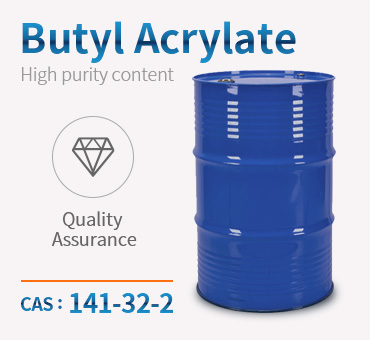
Butyl Acrylate Uses Factory Where Service Meets Innovation
In an era where innovation drives business success, the butyl acrylate market stands out for its diverse applications and adaptability. This versatile ester is a key ingredient in the production of high-performance coatings, adhesives, and textiles, making it invaluable across various industries. As global procurement professionals seek reliable and innovative suppliers, understanding the breadth of butyl acrylate’s uses can help them make informed decisions that enhance product quality and operational efficiency. Sourcing butyl acrylate from an advanced manufacturing facility means ensuring consistent quality and cutting-edge service tailored to your business needs. With a focus on sustainable practices and efficient production processes, manufacturers are now able to provide customized solutions that meet specific application requirements. This commitment to innovation not only boosts product performance but also supports companies in achieving their environmental goals, ultimately resulting in a stronger market position. As we continue to navigate the complexities of global supply chains, partnering with a factory that prioritizes service excellence alongside innovation in manufacturing can prove to be a game-changer for businesses aiming to stay competitive. By leveraging specialized knowledge and a commitment to quality, procurement professionals can explore exciting possibilities that butyl acrylate offers, ensuring they remain at the forefront of their respective industries.
Butyl Acrylate Uses Factory Where Service Meets Innovation
| Application Area | Description | Benefits |
|---|---|---|
| Coatings | Used in producing water-based coatings for industrial applications. | Excellent adhesion, flexibility, and resistance to weathering. |
| Adhesives | Key component in pressure-sensitive adhesives. | Strong bond, fast curing time, and high durability. |
| Textiles | Used in textile coatings to enhance durability and water resistance. | Improved fabric strength and longevity. |
| Sealants | Important for manufacturing sealants used in construction. | High elasticity and resistance to moisture. |
| Construction | Used in a variety of construction materials, including paints and primers. | Enhanced performance and aesthetic appeal. |
Related Products
Butyl Acrylate Uses Pioneers in the Field Exceeds Industry Benchmarks
Top Selling Products



- Related Blog
- Reviews

-

Phone
-

E-mail
-

Whatsapp
-

Top


