

Polyethylene Terephthalate Trading Acetic Acid CAS 64-19-7 High Quality And Low Price – Chemwin Detail:
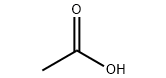
Product Name:acetic acid
Molecular format:C2H4O2
CAS No:64-19-7
Product molecular structure:
Specification:
|
Item |
Unit |
Value |
|
Purity |
% |
99.8 min |
|
Color |
APHA |
5max |
|
Fomic acid content |
% |
0.03max |
|
Water Content |
% |
0.15max |
|
Appearance |
- |
Transparent liquid |
Chemical Properties:
Acetic acid, CH3COOH, is a colorless, volatile liquid at ambient temperatures. The pure compound, glacial acetic acid, owes its name to its ice-like crystalline appearance at 15.6°C. As generally supplied, acetic acid is a 6 N aqueous solution (about 36%) or a 1 N solution (about 6%). These or other dilutions are used in adding appropriate amounts of acetic acid to foods. Acetic acid is the characteristic acid of vinegar, its concentration ranging from 3.5 to 5.6%. Acetic acid and acetates are present in most plants and animal tissues in small but detectable amounts. They are normal metabolic intermediates, are produced by such bacterial species as Acetobacter and can be synthesized completely from carbon dioxide by such microorganisms as Clostridium thermoaceticum. The rat forms acetate at the rate of 1% of its body weight per day.
As a colorless liquid with a strong, pungent, characteristic vinegar odor, it is useful in butter, cheese, grape and fruit flavors. Very little pure acetic acid as such is used in foods, although it is classified by FDA as a GRAS material. Consequently, it may be employed in products that are not covered by Definitions and Standards of Identity. Acetic acid is the principal component of vinegars and pyroligneous acid. In the form of vinegar, more than 27 million lb were added to food in 1986, with approximately equal amounts used as acidulants and flavoring agents. In fact, acetic acid (as vinegar) was one of the earliest flavoring agents. Vinegars are used extensively in preparing salad dressing and mayonnaise, sour and sweet pickles and numerous sauces and catsups. They are also used in the curing of meat and in the canning of certain vegetables. In the manufacture of mayonnaise, the addition of a portion of acetic acid (vinegar) to the salt- or sugar-yolk reduces the heat resistance of Salmonella. Water binding compositions of sausages often include acetic acid or its sodium salt, while calcium acetate is used to preserve the texture of sliced, canned vegetables.
Application:
Acetic acid occurs in vinegar. It is producedin the destructive distillation of wood. Itfinds extensive application in the chemicalindustry. It is used in the manufacture ofcellulose acetate, acetate rayon, and variousacetate and acetyl compounds; as a solventfor gums, oils, and resins; as a food preservative in printing and dyeing; and in organicsynthesis.
Acetic acid is an important industrial chemical. The reaction of acetic acid with hydroxyl containing compounds, especially alcohols, results in the formation of acetate esters. The largest use of acetic acid is in the production of vinyl acetate . Vinyl acetate can be produced through the reaction of acetylene and acetic acid. It is also produced from ethylene and acetic acid. Vinyl acetate is polymerized into polyvinyl acetate (PVA), which is used in the production of fibers, films, adhesives, and latex paints.
Cellulose acetate, which is used in textiles and photographic film, is produced by reacting cellulose with acetic acid and acetic anhydride in the presence of sulfuric acid. Other esters of acetic acid, such as ethyl acetate and propyl acetate, are used in a variety of applications.
Acetic acid is used to produce the plastic polyethylene terephthalate (PET) . Acetic acid is used to produce pharmaceuticals.
Glacial Acetic Acid is an acidulant that is a clear, colorless liquid which has an acid taste when diluted with water. It is 99.5% or higher in purity and crystallizes at 17°c. It is used in salad dressings in a diluted form to provide the required acetic acid. It is used as a preservative, acidulant, and flavoring agent. It is also termed acetic acid, glacial.
Product detail pictures:
Related Product Guide:
With our rich experience and considerate services, we have been recognized as a reliable supplier for many international buyers for Polyethylene Terephthalate Trading Acetic Acid CAS 64-19-7 High Quality And Low Price – Chemwin , The product will supply to all over the world, such as: Rwanda, Madrid, Leicester, We have constructed strong and long co-operation relationship with an enormous quantity of companies within this business in Kenya and overseas. Immediate and specialist after-sale service supplied by our consultant group has happy our buyers. Detailed Info and parameters from the merchandise will probably be sent to you for any thorough acknowledge. Free samples may be delivered and company check out to our corporation. n Kenya for negotiation is constantly welcome. Hope to get inquiries type you and construct a long-term co-operation partnership.
 By Betty from Algeria - 2018.05.13 17:00
The company's products can meet our diverse needs, and the price is cheap, the most important is that the quality is also very nice.
By Kimberley from Vancouver - 2018.06.09 12:42
Products categories
-
Bottom price Antioxidant - Polymethylmethacryl...
-
Cas 61788-97-4 Supply Methanol CAS 67-56-1 Hig...
-
China Cas 85-44-9 Ethyl Acetate CAS 141-78-6 F...
-
Factory Cheap Toluene Dealers - Phenol CAS 108...
-
Good Quality 1-Butanol Latest Price - Formic A...
-
Chinese Professional Ethanedioic Acid Manufacto...
-

Phone
-

E-mail
-

Whatsapp
-

Top


