
Ethyl acetate (also known as acetic ester) is an important organic chemical widely used in organic chemistry, pharmaceuticals, cosmetics, and environmental protection. As a supplier of ethyl acetate, ensuring its storage and transportation meet high standards is crucial to prevent safety incidents and environmental pollution. This guide provides a detailed analysis of ethyl acetate storage and transportation requirements to help suppliers develop scientifically sound management strategies.
Supplier Qualification Review
Qualification review is a critical step in ensuring the safe supply of ethyl acetate. Suppliers should possess the following credentials:
Production License or Import Certification: The production or import of ethyl acetate must have a valid license or import certificate to ensure product quality and safety comply with national standards.
Environmental Certification: According to the Regulations on the Labeling of Hazardous Chemical Packaging, ethyl acetate must be labeled with correct hazard classifications, packaging categories, and precautionary statements.
Safety Data Sheet (SDS): Suppliers must provide a complete Safety Data Sheet (SDS) detailing the physical and chemical properties of ethyl acetate, along with handling and storage precautions.
By meeting these qualification requirements, suppliers can ensure their ethyl acetate complies with legal and industry standards, minimizing usage risks.
Storage Requirements: Ensuring a Safe Environment
As a flammable and explosive chemical, ethyl acetate must be stored properly to prevent leaks and fire hazards. Key storage requirements include:
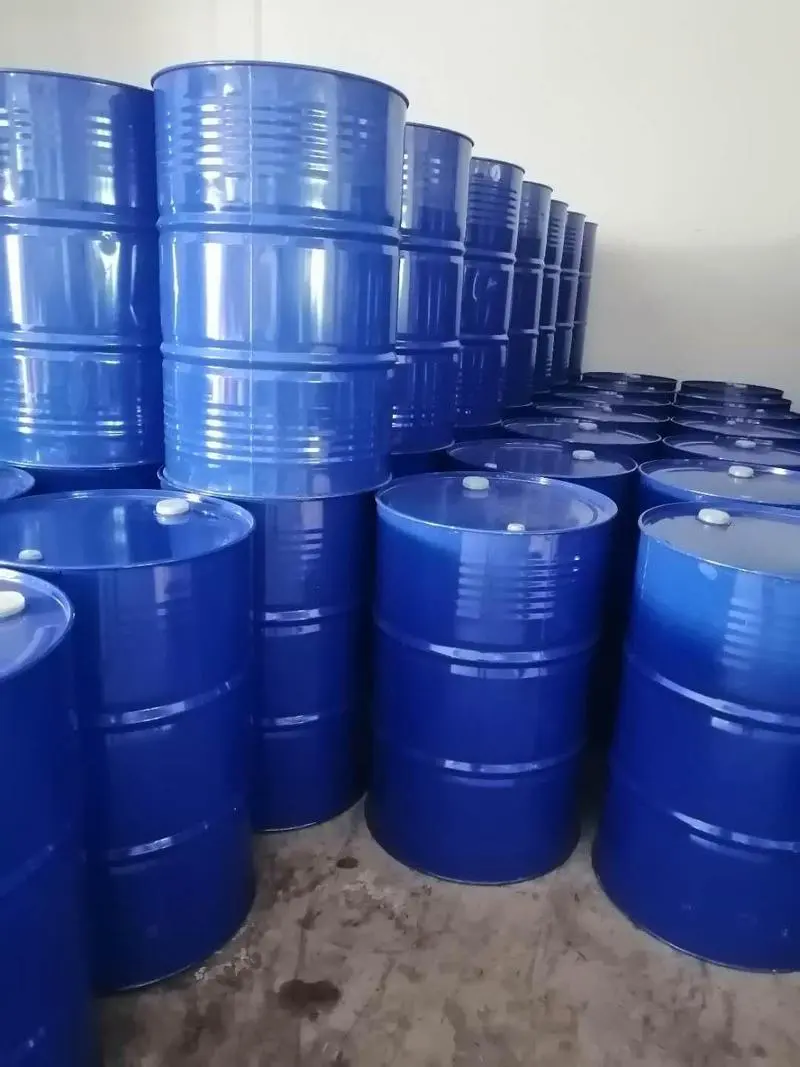
Dedicated Storage Area: Ethyl acetate should be stored in a separate, moisture-proof, and well-ventilated area, avoiding contact with other chemicals.
Fireproof Barriers: Storage containers should be equipped with fireproof barriers to prevent leaks from causing fires.
Labeling: Storage areas and containers must be clearly labeled with hazard classifications, packaging categories, and storage precautions.
Adhering to these storage requirements allows suppliers to effectively control risks and ensure product safety.
Transportation Requirements: Safe Packaging and Insurance
Transporting ethyl acetate requires special packaging and insurance measures to prevent damage or loss during transit. Key transportation requirements include:
Specialized Transport Packaging: Ethyl acetate should be packaged in leak-proof, pressure-resistant containers to prevent volatilization and physical damage.
Temperature Control: The transport environment must maintain a safe temperature range to avoid chemical reactions caused by temperature fluctuations.
Transport Insurance: Appropriate insurance should be purchased to cover potential losses due to transport accidents.
Following these transportation requirements helps suppliers minimize risks and ensure ethyl acetate remains intact during transit.
Emergency Response Plan
Handling ethyl acetate emergencies requires specialized knowledge and equipment. Suppliers should develop a detailed emergency response plan, including:
Leak Handling: In case of a leak, immediately shut off valves, use professional absorbents to contain the spill, and conduct emergency measures in a well-ventilated area.
Fire Suppression: In case of fire, immediately shut off the gas supply and use appropriate fire extinguishers.
A well-prepared emergency response plan ensures suppliers can act quickly and effectively to minimize accident impacts.
Conclusion
As a hazardous chemical, ethyl acetate requires special management measures for storage and transportation. Suppliers must ensure safe usage and transport by adhering to qualification reviews, storage standards, transport packaging, insurance, and emergency response protocols. Only by strictly following these requirements can risks be minimized, ensuring the safety of production processes.
Post time: Jul-25-2025


