
Environmental Issues in Traditional Phenol Manufacturing
Traditional phenol production relies heavily on petrochemical resources, with its processes posing significant environmental challenges:Pollutant Emissions:
The synthesis using benzene and acetone as raw materials generates wastewater containing benzene, phenolic compounds, and other harmful substances, directly contaminating water bodies and soil. Meanwhile, it emits large amounts of carbon dioxide and other greenhouse gases, exacerbating global warming.
Resource Consumption: The reaction requires high temperature and pressure, leading to substantial energy consumption and low raw material utilization, causing resource waste.
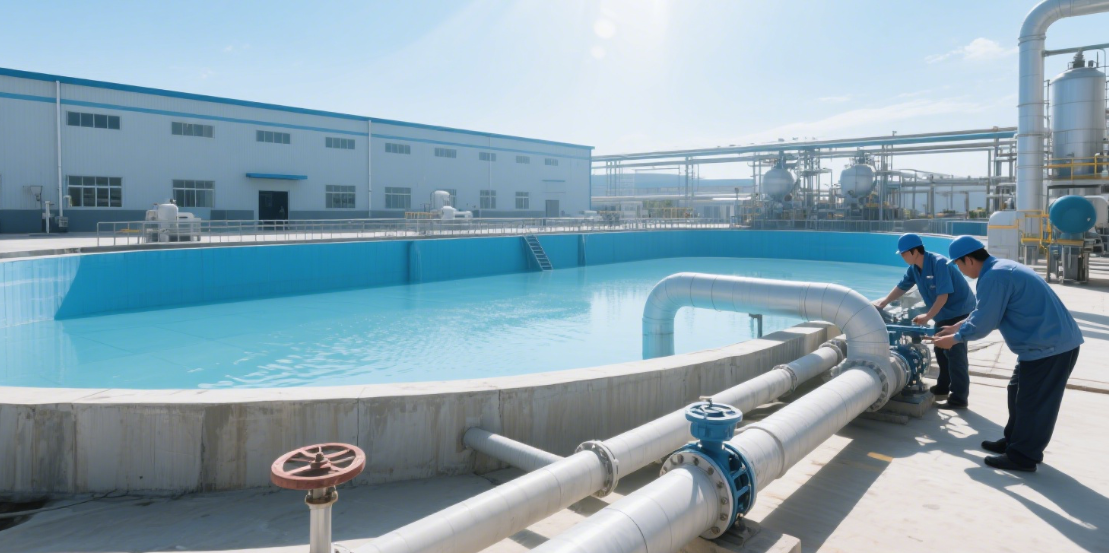
Applications of Modern Environmental Protection Technologies
Innovations in Catalysis and Green Synthesis Technologies
New Catalytic Systems: Using efficient catalysts (e.g., molecular sieves, ionic liquid catalysts) reduces reaction temperature and pressure, minimizing energy consumption and inhibiting by-product formation. For example, titanium-silicon molecular sieves can enhance phenol synthesis efficiency by over 30%.
Green Raw Material Substitution: Using bio-based raw materials (e.g., lignin, straw hydrolysates) or plant-derived compounds (e.g., eugenol) as substrates, phenol is prepared via biological conversion or chemical synthesis, reducing dependence on petroleum resources.
Pollutant Treatment and Recycling Technologies
Waste Gas Purification:Catalytic oxidation (e.g., TiO₂ photocatalysis, noble metal catalysts) degrades volatile organic compounds (VOCs);
Adsorption methods (activated carbon, molecular sieves) recover valuable substances like benzene from waste gas for recycling.
Wastewater Treatment:
Membrane separation technologies (reverse osmosis, ultrafiltration) remove phenolic substances from wastewater;
Advanced oxidation technologies (ozone oxidation, Fenton reaction) deeply degrade organic pollutants, enabling wastewater to meet discharge standards or be reused.
Sustainable Development Strategies
Source Reduction and Process Optimization
Implement closed-loop systems: Recycle raw materials (e.g., benzene, acetone) from wastewater and waste gas to achieve "zero discharge";
Replace batch processes with continuous production to reduce energy consumption and material loss.
Resource Recycling and Waste Utilization
Solid Waste Resource Utilization: Catalyst residues are regenerated to restore activity or incinerated to recover heat energy; by-products (e.g., acetone) are purified and reinvested in production.
Energy Cascade Utilization: Utilize reaction waste heat for power generation or heating to reduce overall plant energy consumption.
Construction of Circular Economy Models
Establish industrial park collaboration systems: Couple phenol production with downstream industries (e.g., plastics, resin processing) to achieve a closed-loop cycle of raw materials-products-wastes;
Collaborate with energy enterprises to capture and store carbon (CCUS) from plant exhaust gases (e.g., CO₂), reducing carbon emissions.
Future Development Directions
Focus of Technological Innovation
Biosynthesis Technologies: Develop genetically engineered bacteria to synthesize phenol directly from sugars via fermentation, enabling fully bio-based production;
Electrochemical and Photocatalytic Technologies: Drive phenol synthesis using renewable energy (solar, electrical energy) to reduce carbon emissions.
Policy and Industrial Collaboration
International cooperation promotes unified technical standards and accelerates cross-border promotion of environmental protection processes (e.g., green catalysis, carbon footprint accounting methods);
Governments incentivize enterprises to adopt low-carbon technologies through tax incentives and carbon emission trading mechanisms, driving industry green transformation.
Sustainable development in phenol manufacturing requires integrating technological innovation with circular economy concepts. Through catalytic upgrading, bio-based raw material substitution, and in-depth pollutant treatment, environmental burdens can be significantly reduced. Meanwhile, relying on policy support and industrial collaboration to build a "resource-production-recycling" closed-loop system will drive the industry toward a low-carbon, efficient transformation, achieving a win-win for economy and environment.
Post time: Jun-18-2025


